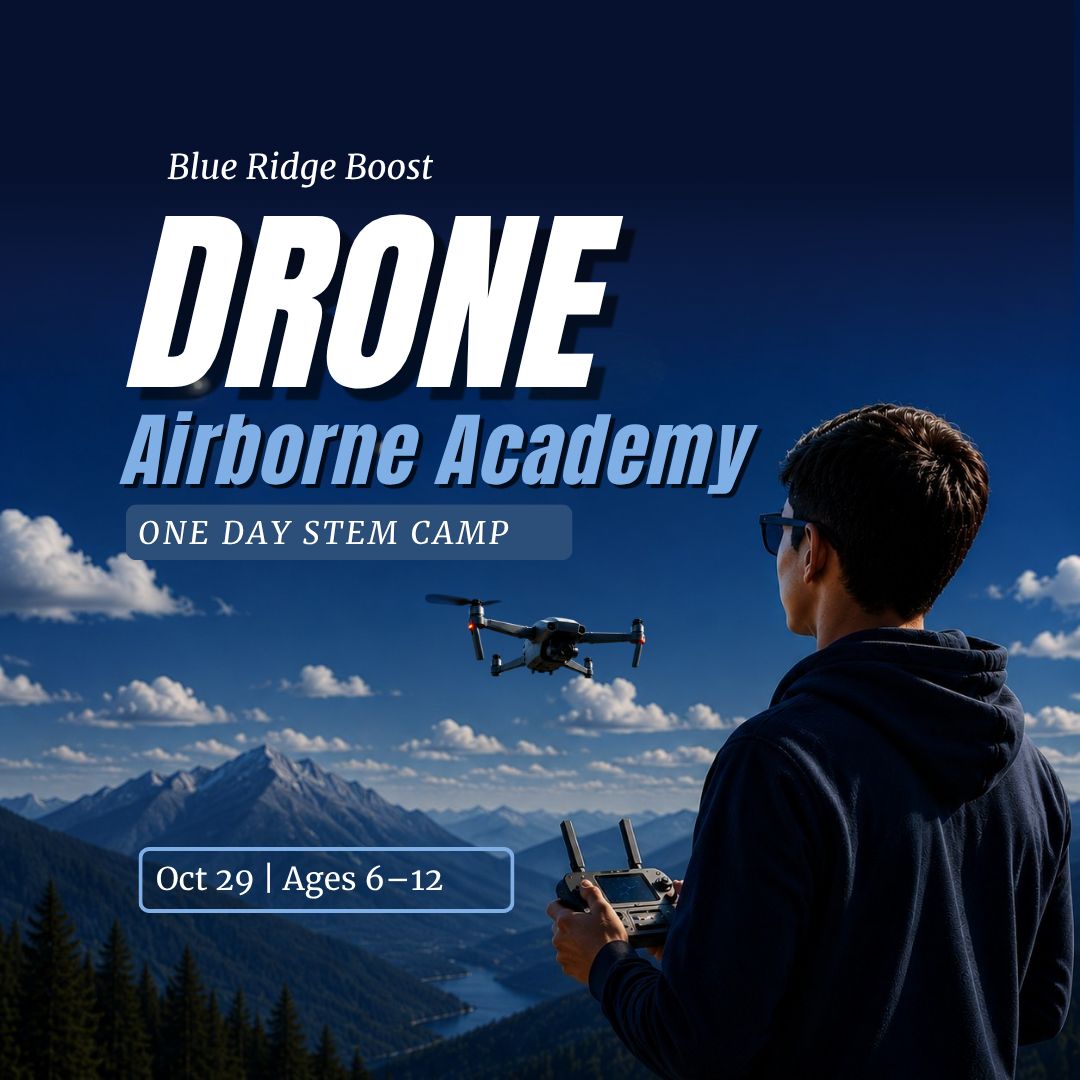
Mission Control One-Day Camp - October 29, 2026
$139.99
Length
Grade Level
Gaming during Exploration Time
Child's Name
Enter your text
Child's Age
Enter your text
Save this product for later
Have questions?
Mission Control One-Day Camp - October 29, 2026
Date: 10/29/2026
Camp Topic: FLL Robotics Camp
FIRST LEGO League Robot Challenge: One-Day Camp
Parents: In this hands-on one-day robotics camp, participants focus on the FIRST LEGO League Challenge SUPERPOWERED Robot Game. Campers build a reliable LEGO robot, explore modular attachment design, and program sensor-based routines to complete missions on the competition field. No prior coding experience is required. Students work through the engineering design process as they build, test, troubleshoot, and improve their robot in a supportive environment.
Kids: Build a LEGO robot, code it to move, and take on real FLL-style missions! You’ll test attachments, try smart driving strategies, and see how many challenge tasks your robot can complete.
Project Model
Campers spend the day working on the SUPERPOWERED Robot Game field. Students focus on building a dependable robot base, creating at least one useful attachment, and programming a reliable scoring routine. Campers may work individually or in small teams, depending on experience and class size.
Note: Experienced or repeat campers may build more advanced robots, use Pybricks blocks or Python, and work on longer, higher-scoring mission runs.
Daily Structure
4 ninety-minute sessions per day (S1–S4)
Hands-on robot building, coding, testing, and field runs
Coach support with troubleshooting, tuning, and mission strategy
Tools: LEGO robotics kits, competition-inspired field setup, computers, and programming software
Day Plan: Build, Code, Score
Outcomes: Learn robot design basics, practice sensor-driven programming, and complete at least one reliable mission routine on the SUPERPOWERED field.
S1 Kickoff and Robot Foundations
Activities: Campers are introduced to the SUPERPOWERED field, mission models, scoring ideas, and robot game rules. Students build or refine a stable robot base and explore key parts such as the gyro and color sensor. They begin programming straight driving, accurate turns, and clean launches from base.
Words: mission, attachment, gyro, sensor, launch, alignment.
Try This First: Build a stable robot base and test straight driving and 90° turns.
Level Up: Improve precision with smoother acceleration and repeatable docking back in base.
S2 Attachments and First Mission Strategy
Activities: Campers study the field to identify a good first mission and design a simple attachment to complete it. Students begin coding reusable actions such as driving to a point, aligning, or triggering a model.
Try This First: Build one simple attachment and complete one beginner-friendly mission.
Level Up: Create quick-swap attachments or use reusable code blocks for faster testing.
S3 Test, Tune, and Chain Actions
Activities: Campers test their robot on the field, troubleshoot movement and attachment issues, and improve consistency. Students may combine sensor use, alignment techniques, and waypoint-style movement to reduce drift and improve scoring.
Try This First: Improve one mission run until it works reliably.
Level Up: Chain two actions together or create a longer run with a return to base.
S4 Friendly Field Challenge and Final Tuning
Activities: Campers run their robot on the field in a supportive showcase format, share what worked, and make final improvements. Students reflect on their mission strategy, attachment design, and code choices.
Reflection: What helped your robot succeed? What change made the biggest difference?
Level Up: Explain how you improved reliability, speed, or score through tuning and redesign.
Learning Goals
- Robot Design: stable chassis, modular attachments, repeatable alignment
- Programming: gyro-straight driving, accurate turns, line alignment, reusable code blocks
- Strategy: mission selection, point analysis, efficient setup, and dependable runs
- Documentation: run cards, checklists, and quick tuning habits
What Campers Take Away
- A reliable robot base and at least one consistent SUPERPOWERED mission routine
- Reusable code blocks or functions for navigation and mission actions
- Improved attachments and a more repeatable launch/setup process
- A stronger understanding of how real FLL teams build, code, test, and improve
Why Families Love This
For Parents: This camp gives students a meaningful introduction to competition-style robotics in a format that is welcoming, hands-on, and skill-building. Campers strengthen problem-solving, engineering, coding, and perseverance while working on authentic LEGO robotics challenges.
For Campers: It feels like being on a real robotics team—build the robot, test your ideas, and watch your code come to life on the field.
Inclusion & Confidence Builders
- Beginner-friendly; no prior coding experience required
- Advanced extensions for repeat campers or experienced builders
- Coach-guided troubleshooting and strategy support
- A focus on progress, teamwork, and iteration
- Friendly challenge format that celebrates effort and improvement
Camp Essentials
Ages: 9 to 12 years old
Times:
- Full-Day: 8:30 AM–5:00 PM
- AM: 8:30 AM–1:00 PM
- PM: 12:30 PM–5:00 PM
Location: 2171 Ivy Rd, Charlottesville, VA 22903
What to Bring: Water bottle, lunch, and one or two light snacks
Video Gaming: Not allowed
Tech Provided: Computers and robotics kits (for in-camp use only; equipment stays with us)
Skill Level: Beginners welcome; no prior coding experience required
Dress Code: Comfortable clothes; indoor-friendly shoes
Contact: camps@yblueridgeboost.com • (434) 260‑0636
Allergies/Medical: Share details during registration; bring any necessary meds
Behavior & Safety: Kindness first; follow staff directions; internet safety rules apply
Note: Camps listed as ages 6 to 12 may be divided by age into two groups.
Powered by Lightspeed
Display prices in:USD